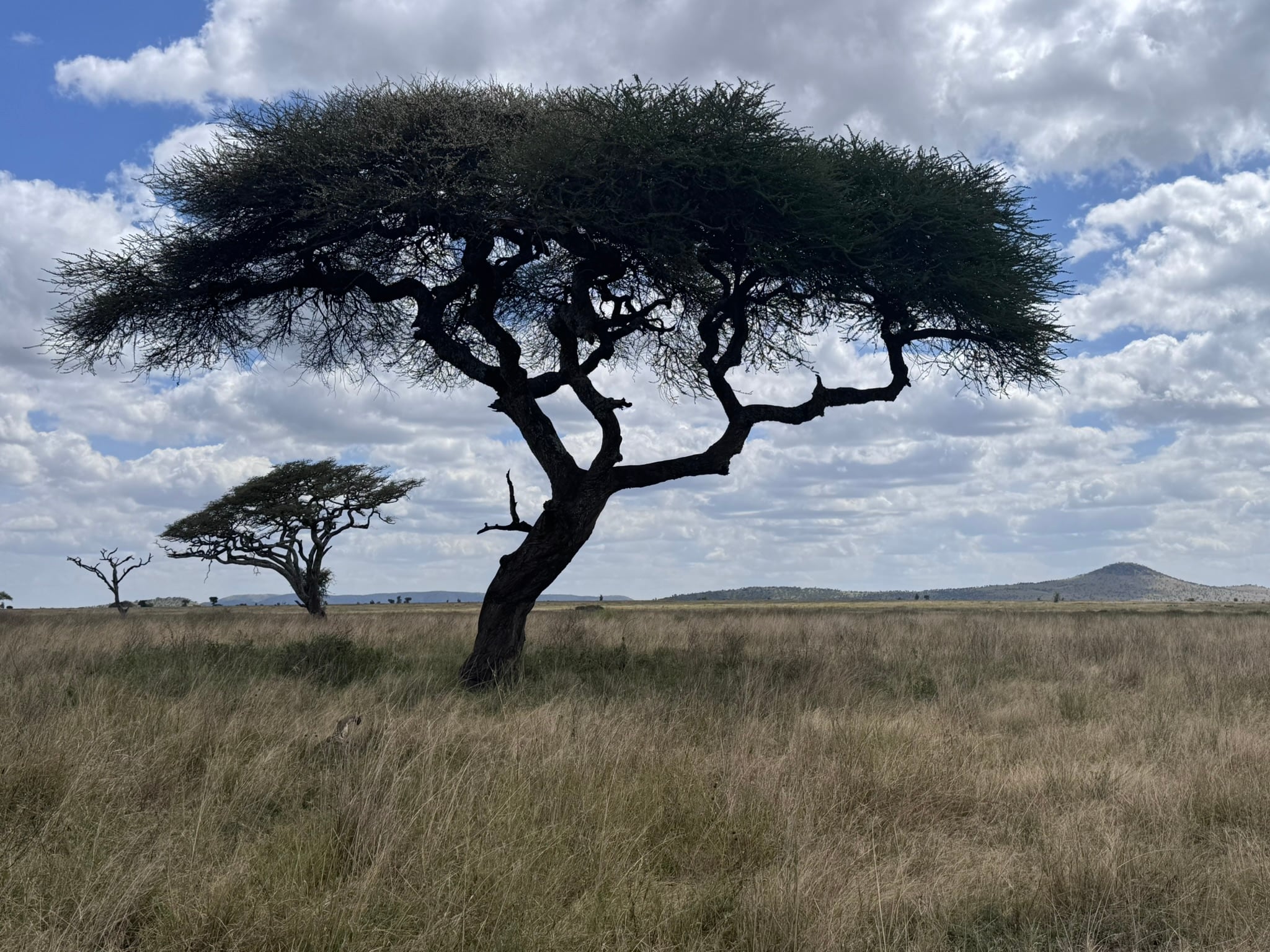
Kenya & Tanzania
East Africa
[PERSONAL NOTE — replace this section]
This is where you tell people why a safari with kids, specifically — which camp felt right for a family, what surprised you about the pace of game drives with little ones, and what you’d tell a parent who assumes this trip has to wait until the kids are older. Your own words carry this section.
Getting there and getting around
Most safaris route through Nairobi (Kenya) or Kilimanjaro/Arusha (Tanzania), with smaller charter flights connecting to the camps themselves — a detail that turns out to be its own small adventure for kids. Ground transfers between parks happen in open-sided safari vehicles, which double as some of the best wildlife viewing of the trip.
A sample rhythm, not a rigid itinerary
Days 1–2 — Arrival and acclimating. A night near Nairobi or Arusha before heading into the parks gives everyone a chance to reset after the long flights.
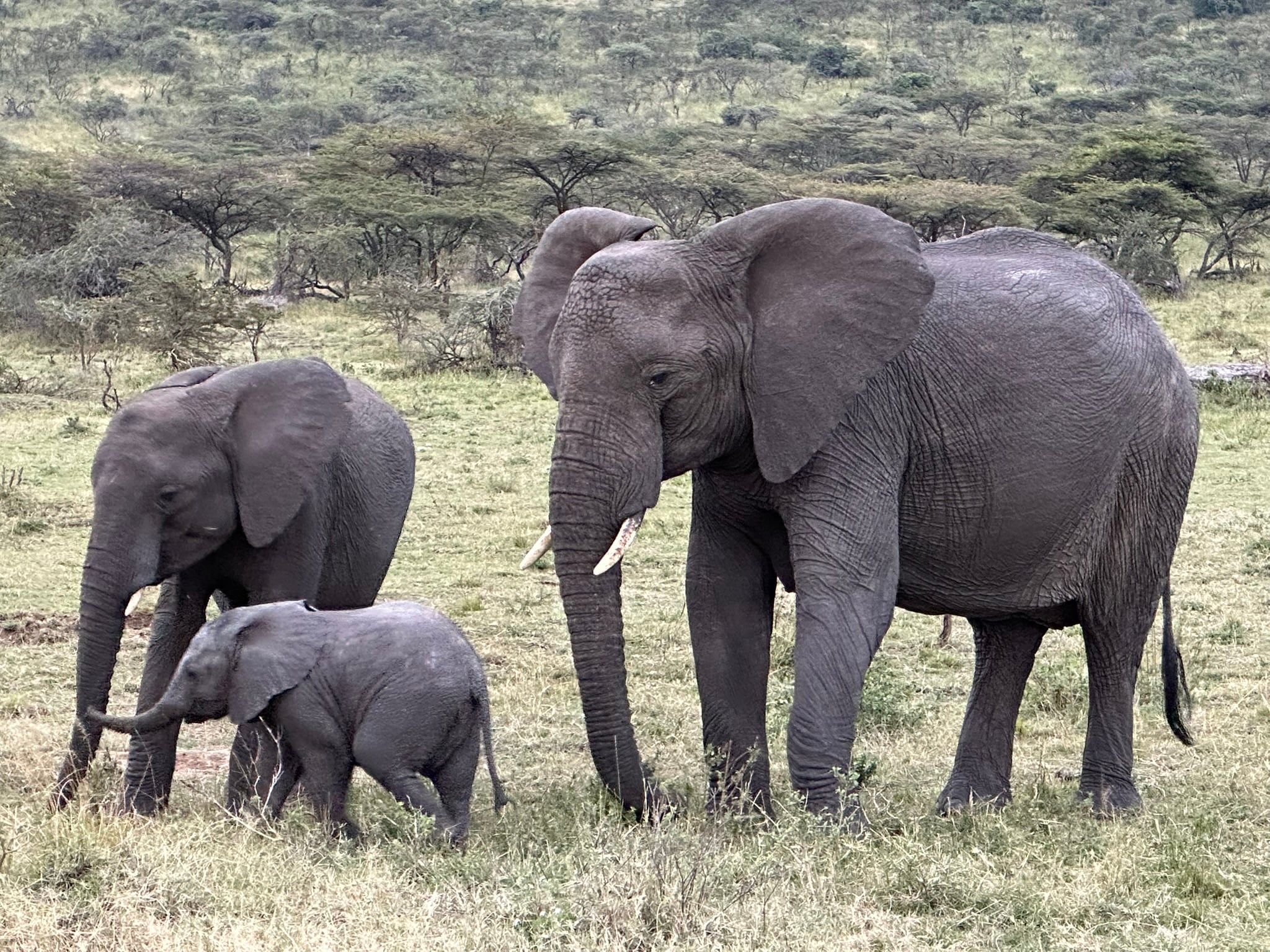
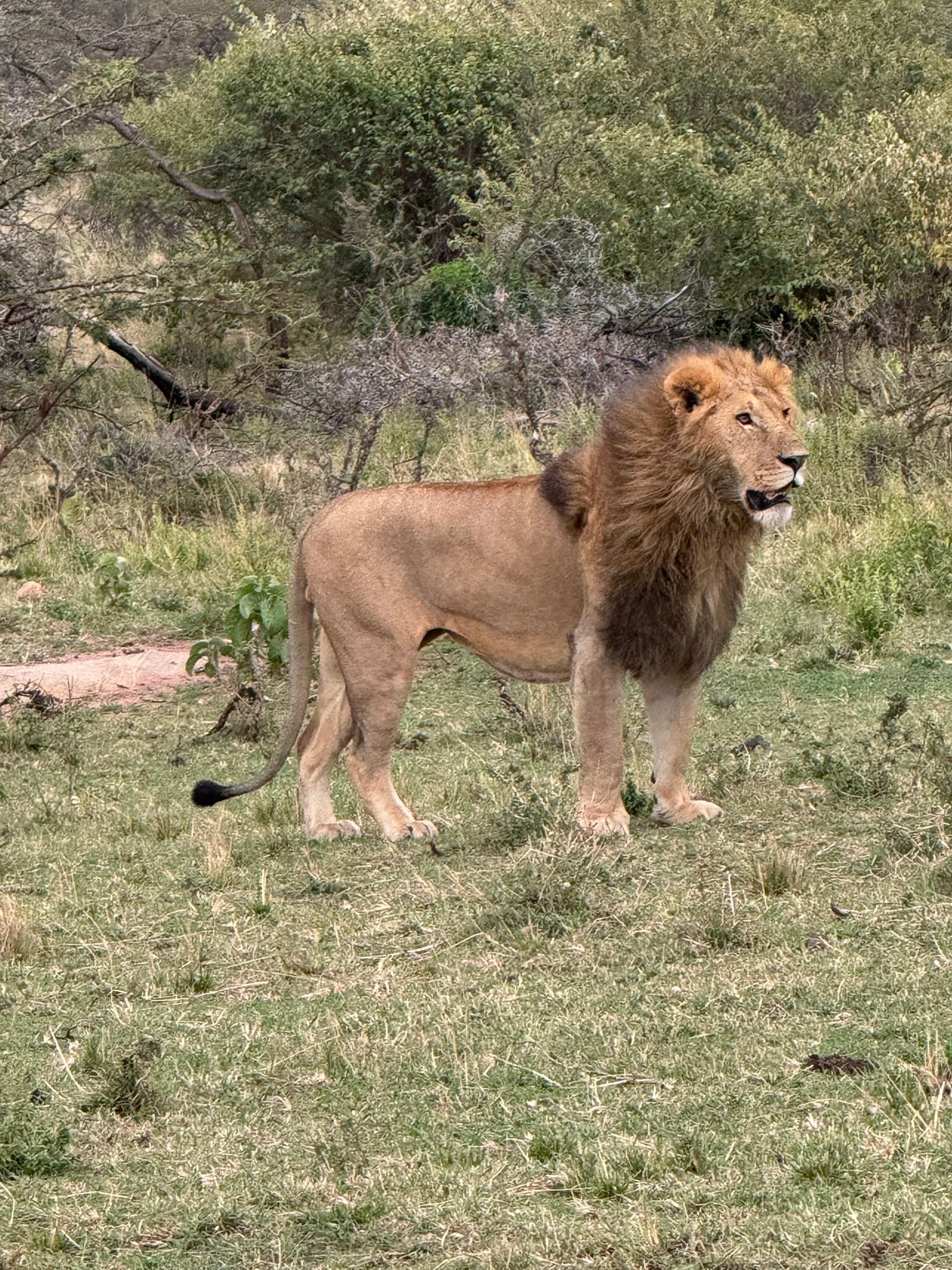
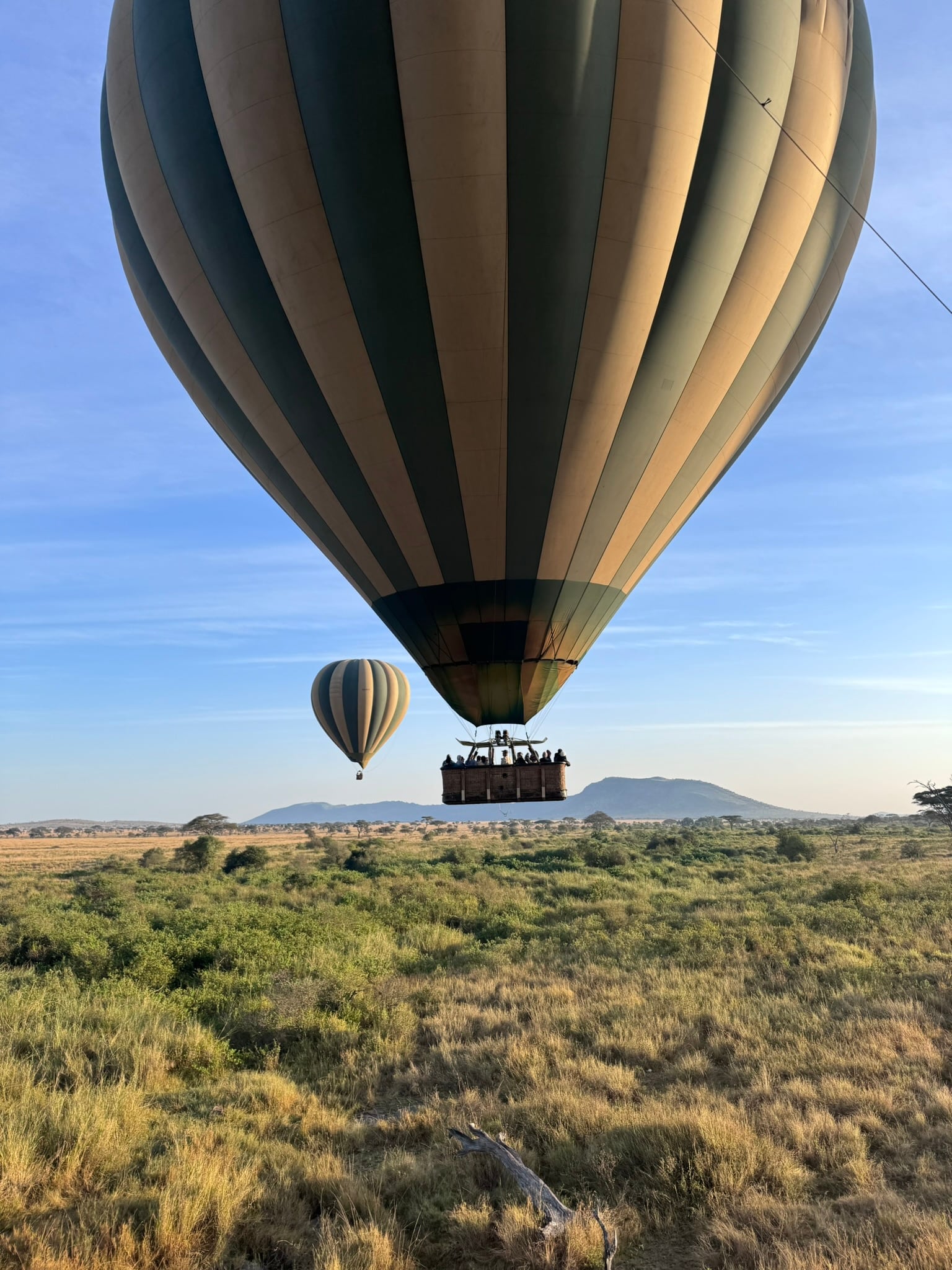
Days 3–9 — The safari circuit. The Serengeti, Ngorongoro Crater, and Kenya’s Maasai Mara are the anchor stops, with camps typically built around two or three game drives a day — morning and late afternoon, when the animals are most active and the heat is manageable for kids.
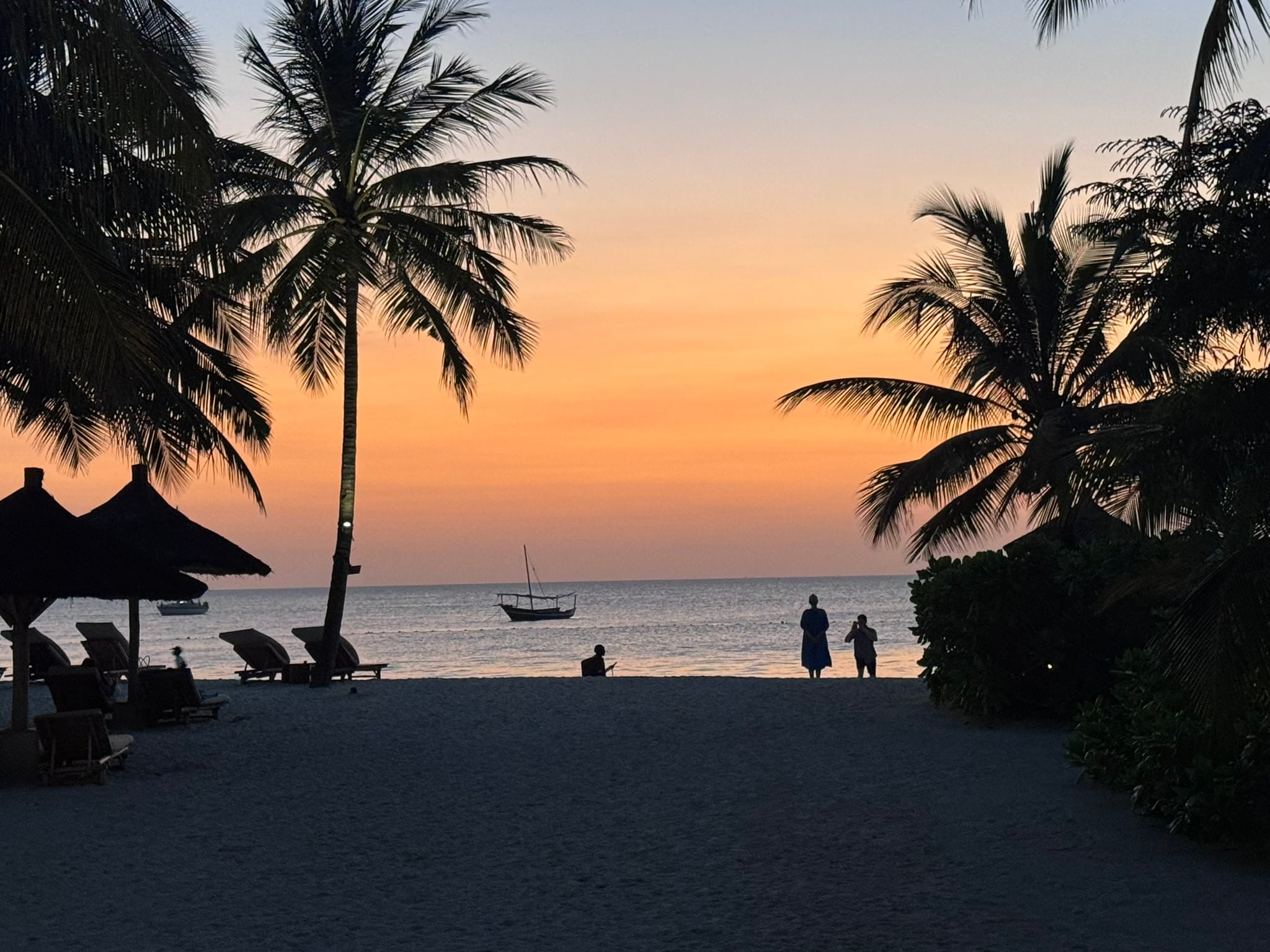
Days 10–12 — A coastal finish. Zanzibar or the Kenyan coast for a few days of beach and pool after a week of early mornings — a good decompression before the trip home.
[ITINERARY DETAIL — replace with your actual day-by-day, the camps you’d book again, and anything you’d skip next time.]
Family notes
Many camps set minimum ages for game drives and night walks, so it’s worth checking before booking. Malaria prevention and travel vaccinations need lead time — start that conversation with a doctor a couple of months out. The days are early and the driving is long between parks, but most kids find the animals more than worth it.