Japan
Honshu
[PERSONAL NOTE — replace this section]
This is where you tell people why Japan, specifically — what made it easier than expected with kids, the meal you’d plan a whole day around again, and what you’d tell a first-timer who’s nervous about the language barrier. Your own voice does more here than a polished summary ever could.
Getting there and getting around
Most international flights land at Narita or Haneda, both connected to central Tokyo by train. A Japan Rail Pass is worth pricing out before you go — it covers most Shinkansen (bullet train) routes and pays for itself quickly on a multi-city trip. The rail system is famously punctual and stroller-manageable once you’ve learned which train cars line up with the elevators.
A sample rhythm, not a rigid itinerary
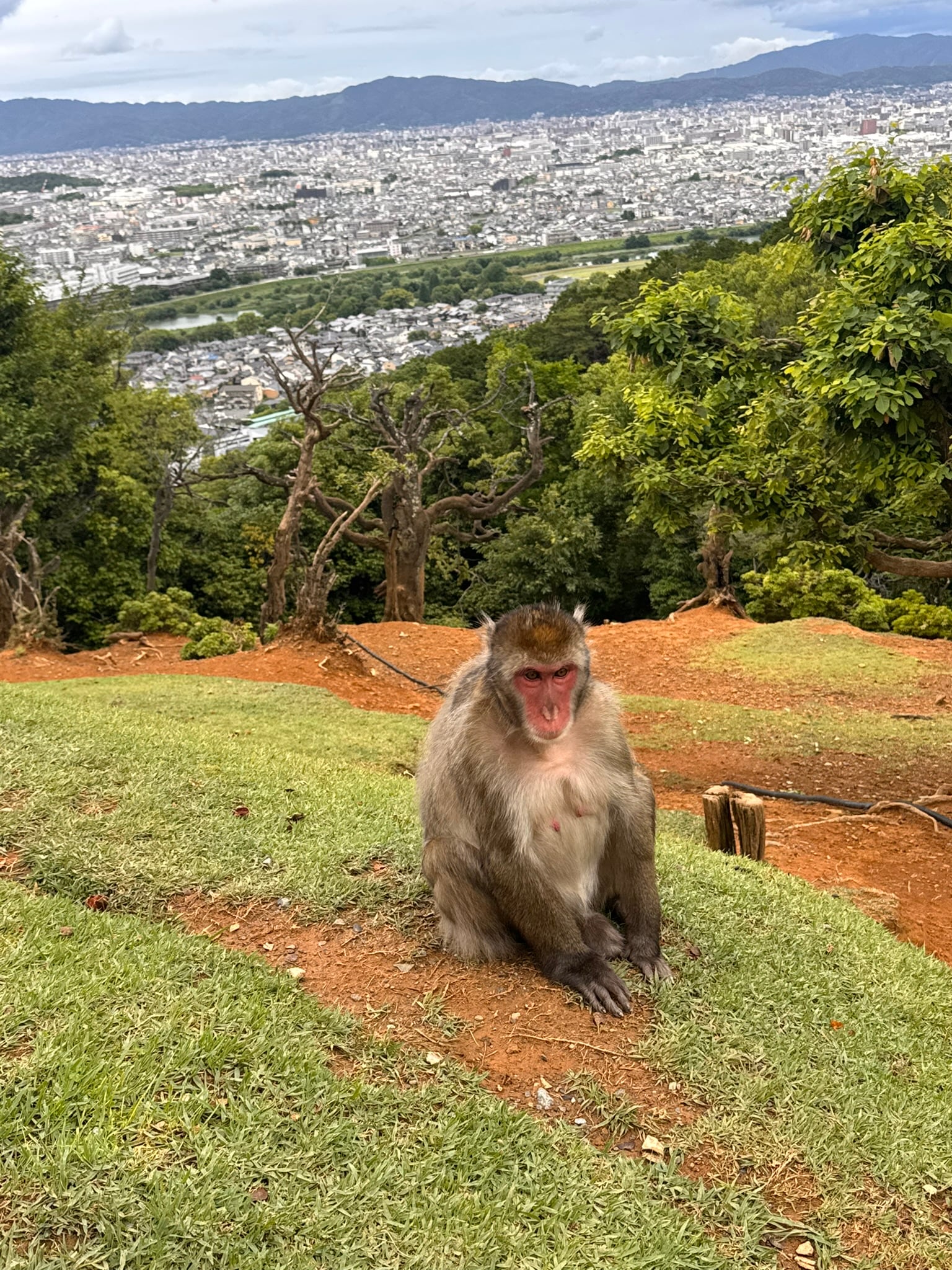
Days 1–4 — Tokyo. Shibuya and Shinjuku for the energy and the neon, a calmer day in Asakusa around Senso-ji, and a day trip to see the monkeys at Iwatayama or the deer in a park closer to the city.
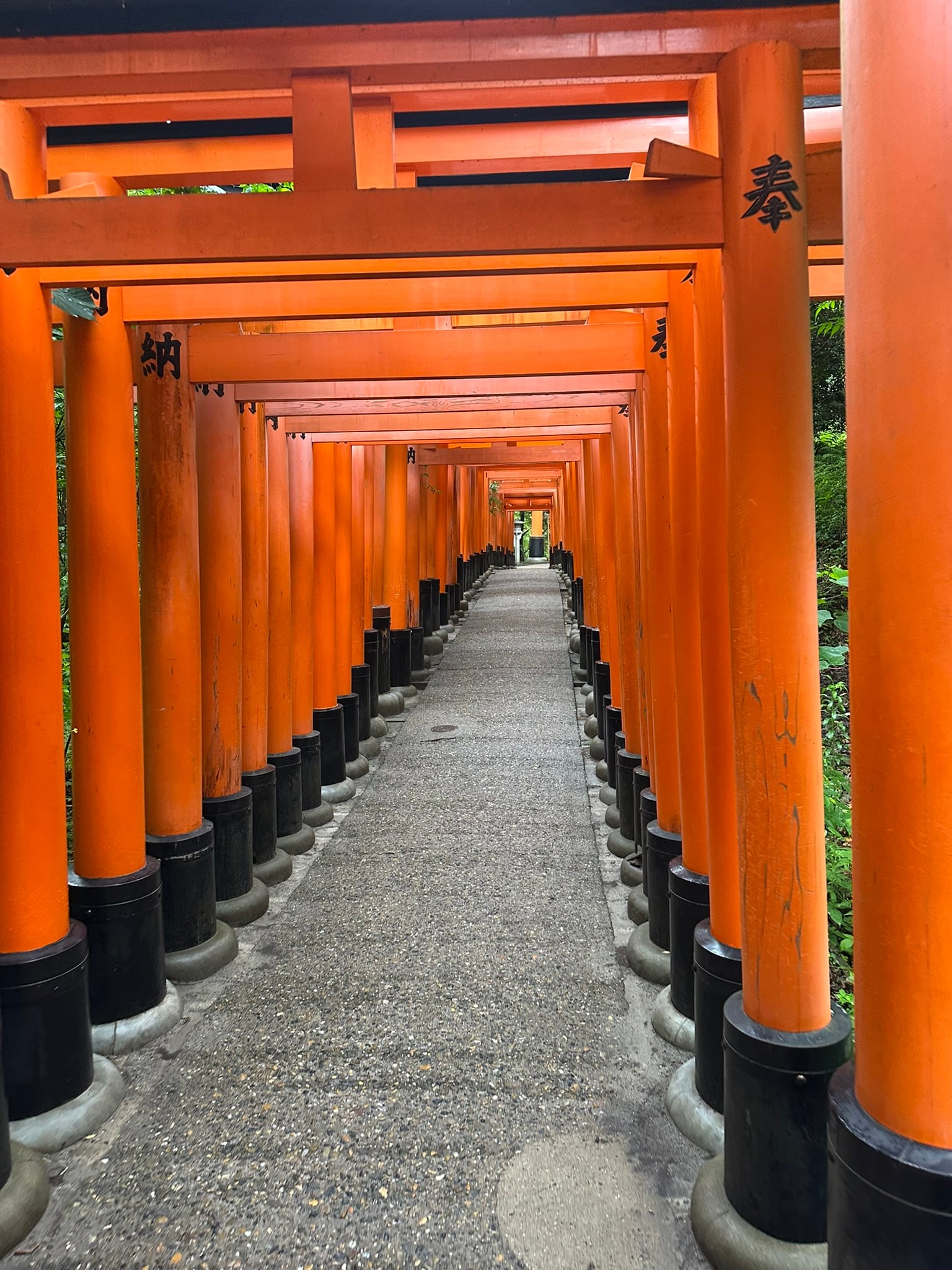
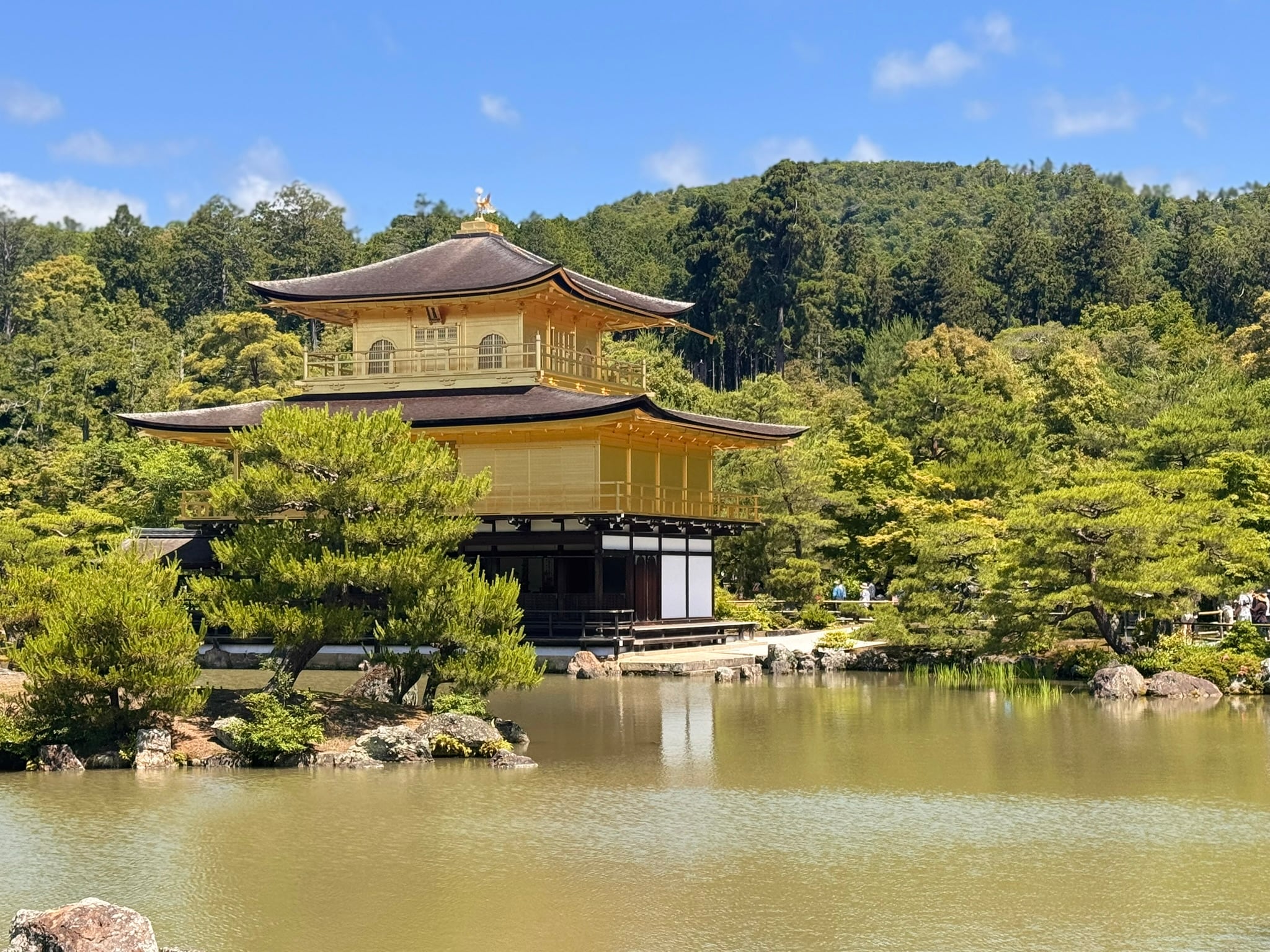
Days 5–8 — Kyoto and Nara. Fushimi Inari’s torii gates are worth an early start, before the crowds arrive. Nara’s deer park makes for an easy day trip, and Kyoto’s temples reward slowing down rather than checking off a list.
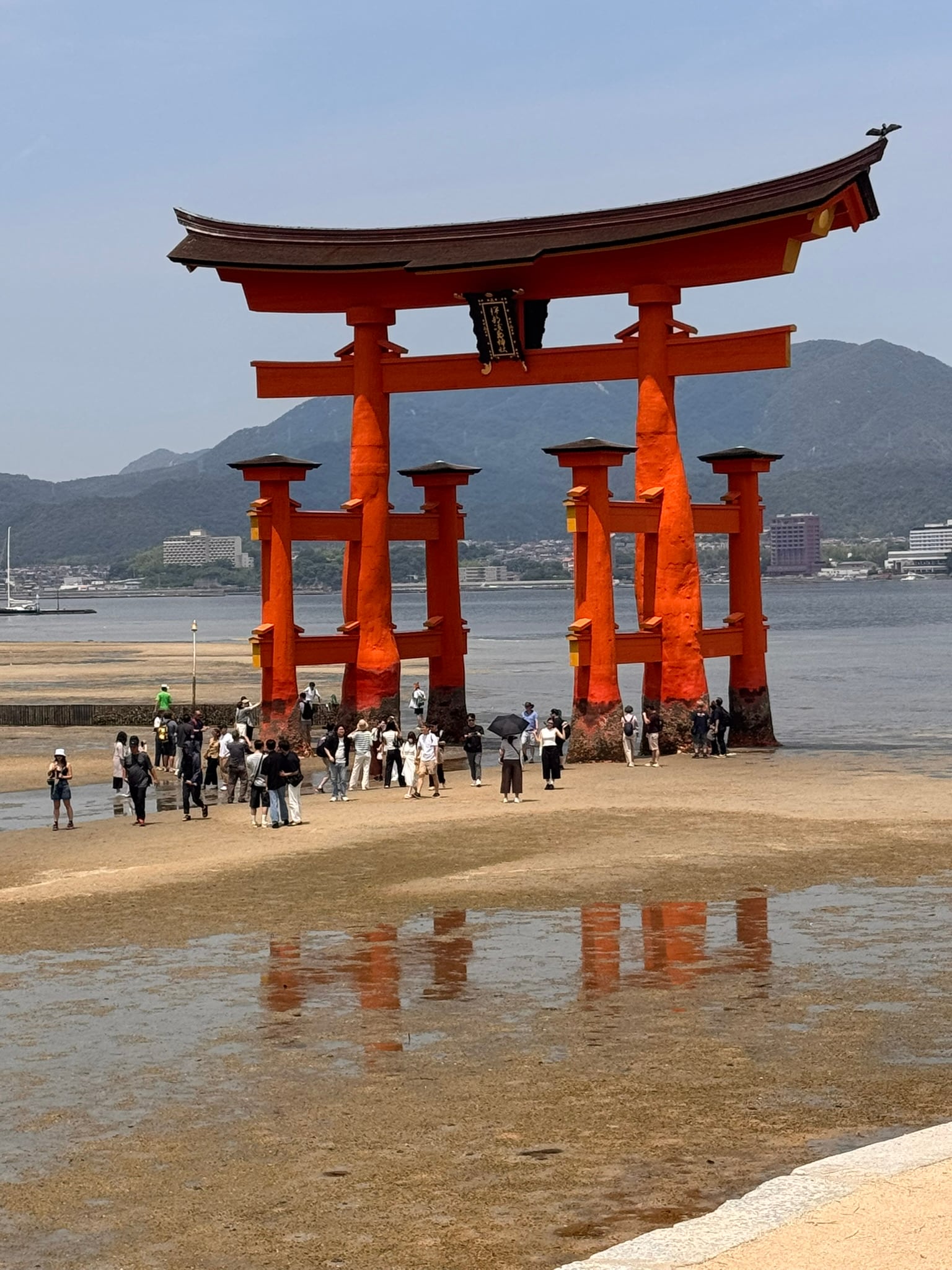
Days 9–10 — Hiroshima or Miyajima, or more Kyoto. Miyajima’s floating torii gate is one of the most photographed spots in the country for good reason, and it’s an easy add-on by ferry.
[ITINERARY DETAIL — replace with your actual day-by-day, restaurants and ryokans you’d return to, and anything you’d skip next time.]
Family notes
Japan is remarkably easy to travel with kids — convenience stores (konbini) are a legitimate meal option for picky eaters, trains are calm and predictable, and it’s one of the safest countries in the world to let a slightly older kid range a little on their own. The language barrier is smaller in practice than it looks on paper; translation apps and pointing get you further than expected.